
Home / Services / Attic Insulation
Residential & Commercial
Attic Insulation in Levittown, NY
Attic insulation and air sealing for the Cape Cods and ranches of Nassau County, built for cold winters and humid coastal summers.
Attic insulation in Levittown works a double shift. From December through March, heated air you paid for rises toward the ceiling plane and escapes through every gap into the attic. From June through September, the sun loads the roof all afternoon and the attic turns into a heat reservoir pressing down on the rooms below. Levittown Spray Foam Insulation installs attic insulation and air sealing built for climate zone 4A, where both seasons are long, both are expensive at New York energy prices, and the housing stock is famously under-insulated: the original 1947-1951 Levitt Cape Cods and ranches went up fast, and most still carry original or minimal insulation.
The knee-wall problem in Cape Cod upstairs rooms
Levittown's Cape Cod models tuck the upstairs bedrooms under the roof line, with short vertical knee walls separating the rooms from small attic spaces behind them. When those knee walls, the sloped ceilings above them and the attic floor behind them carry thin or settled insulation, the bedrooms bake in August and stay cold in January no matter how the thermostat is set. It is the most common comfort complaint we hear in the original tract houses, and it is fixable: air seal the knee-wall assembly, insulate the knee walls and slopes, and bring the floor of the side attics up to depth. The upstairs stops behaving like a different climate zone.
Ductwork in the attic carries a penalty in both seasons
Many expanded Levittown homes route supply ducts and the air handler through the attic. In winter, every foot of duct sitting in frigid attic air bleeds heat before it reaches the register. In summer, the same ducts sit in air far hotter than outdoors and gain heat on the way to the rooms. Sealing the ceiling plane and adding depth shrinks the temperature difference the ducts sit in. Insulating the underside of the roof deck with spray foam goes further, bringing the ductwork inside the conditioned envelope entirely. During an estimate we look at where your ducts run and factor that into the recommendation.
Blown-in depth versus spray foam at the roof deck
There are two sound approaches, and the right one depends on how the attic is used. If the attic is a vented, storage-only space, the cost-effective move is air sealing the attic floor and blowing in fresh blown-in insulation to a measured depth over the top of the ceiling joists. If the attic holds ductwork, houses equipment, or is headed toward finished space, insulating the underside of the roof deck with spray foam converts it to an unvented, semi-conditioned assembly. The attics in these capes and ranches are low, so we measure access and headroom carefully before quoting either path, and we quote both in writing when a home could go either way.
Ventilation still matters
Adding depth at the attic floor only works if the ventilation system keeps doing its job. Soffit vents need to stay open, baffles belong in each rafter bay at the eaves so blown-in material cannot choke the airflow, and ridge or roof vents need a clear path out. When we top up an attic, protecting the ventilation path is part of the scope, not an afterthought. When we foam the roof deck instead, the venting strategy changes by design, and we walk you through that difference before any work is scheduled.
Attic insulation estimates in Nassau County
Every attic estimate starts in the attic. We measure the existing depth, check for air leaks at the ceiling plane, inspect the knee walls in Cape Cod models, note where the ducts run, and look for moisture staining or ventilation problems that new insulation would hide rather than fix. You get a written, itemized scope naming the material, the installed depth and the areas covered. Call 516-689-2146 or use the quote form to schedule a free visit. We also handle crawl space insulation and metal building insulation when the project extends beyond the attic.
Questions
Common questions
Why is the upstairs of my Cape Cod always too hot or too cold?
The knee-wall attics behind the upstairs bedrooms are the usual cause. Under-insulated knee walls, sloped ceilings and side attic floors let heat pour through in summer and escape in winter. Air sealing and insulating that assembly is routine work for our crews.
How much insulation does a Levittown attic need?
Long Island sits in climate zone 4A, where attics call for substantially more depth than the 1947-1951 tract houses were built with. We measure what is there and quote the added depth needed in writing.
Should I insulate the attic floor or the roof deck?
If the attic is vented and used only for storage, sealing and blowing in the floor is usually the best value. If ducts or equipment live in the attic, spray foam at the roof deck brings them inside the conditioned space and often performs better in both seasons.
Want to know what your attic project would cost?
Tell us about the home and we will measure the attic before quoting anything.
Free written estimates • No obligation • Local team
Explore more
Other insulation services
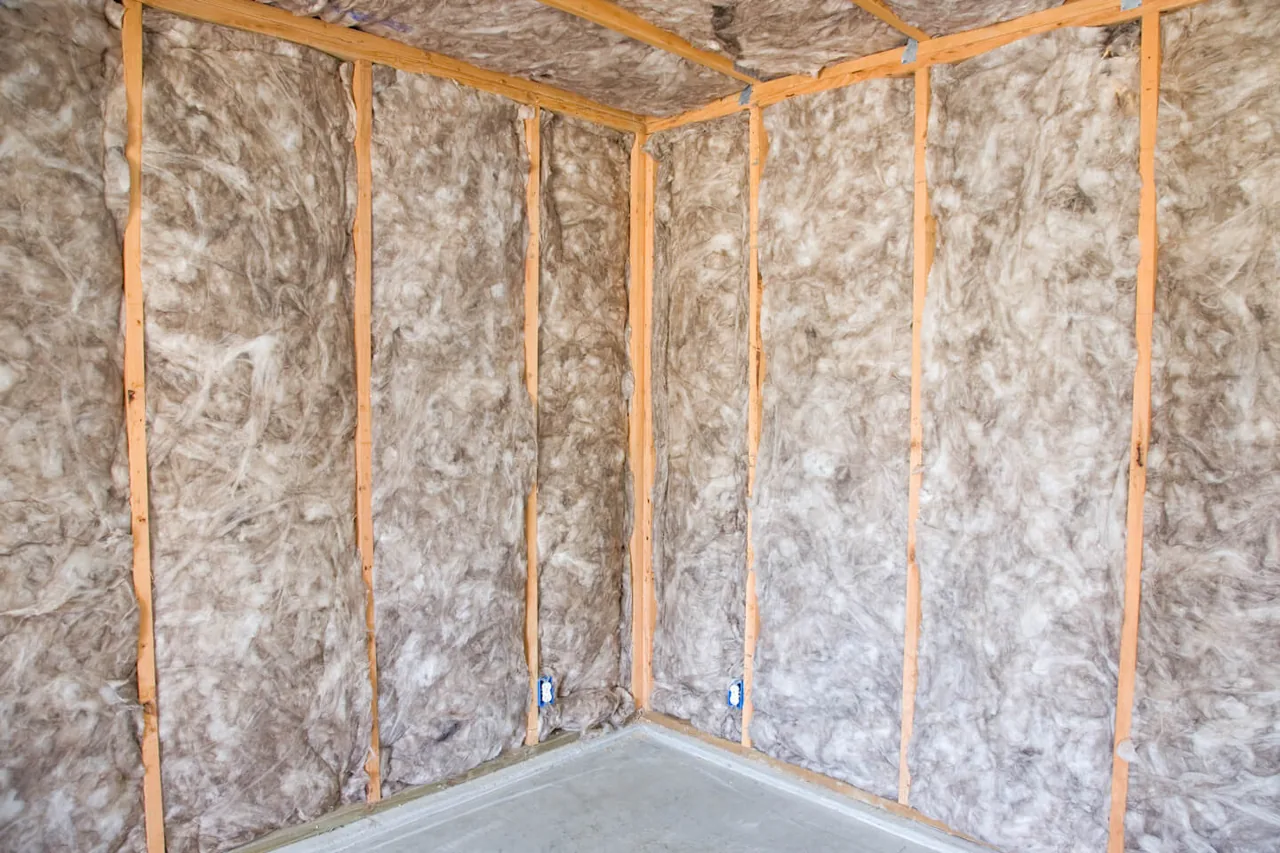 Blown-In InsulationBlown-in fiberglass and cellulose for attic floors and retrofit walls, installed to a measured depth at a lower cost than foam.Explore service →
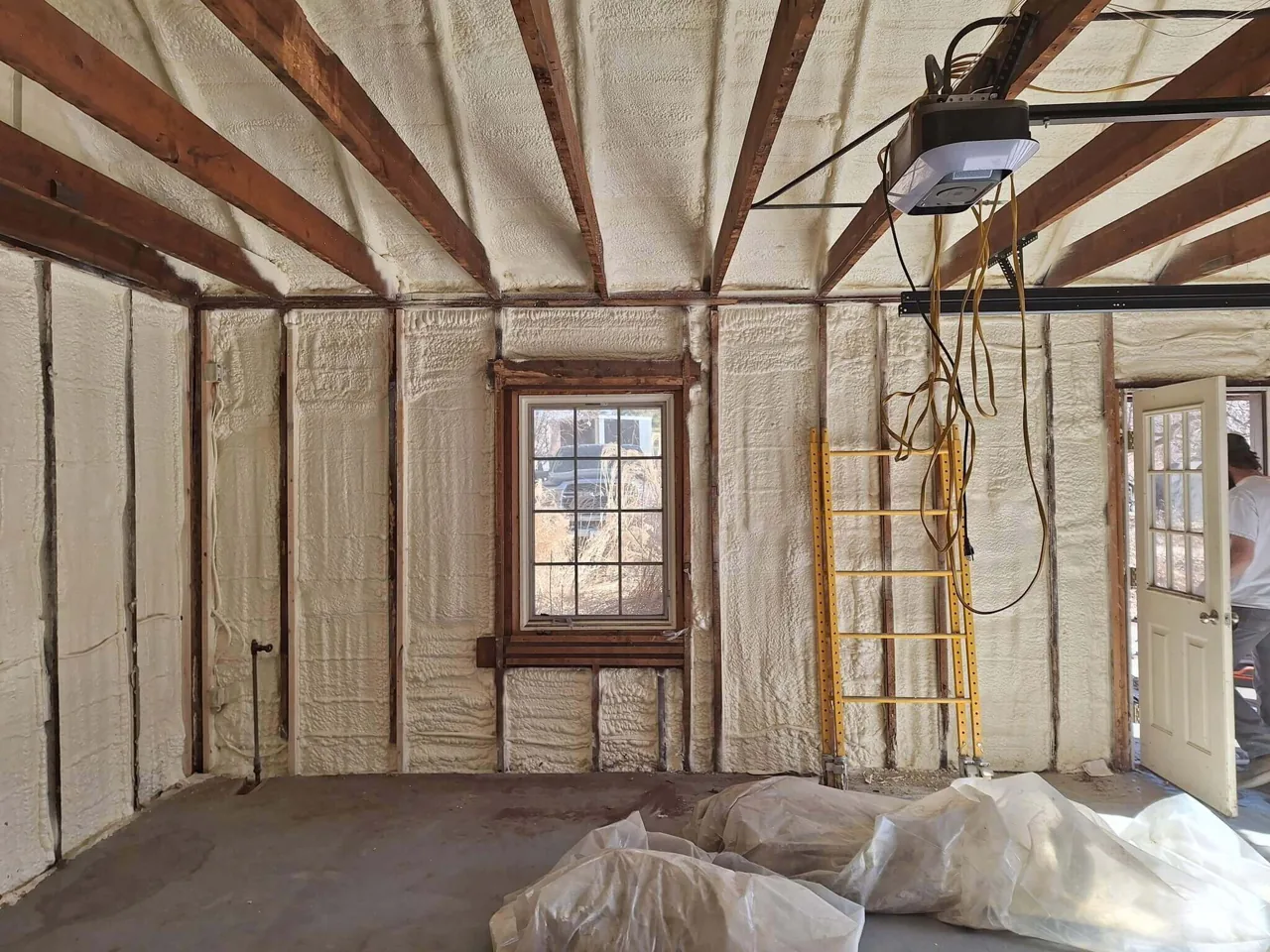 Crawl Space InsulationInsulation and air sealing for postwar Long Island crawl spaces, addressing ground moisture, condensation and cold floors.Explore service →